Gristmill What’s It
2026
What’s Its From the June 2026 Issue
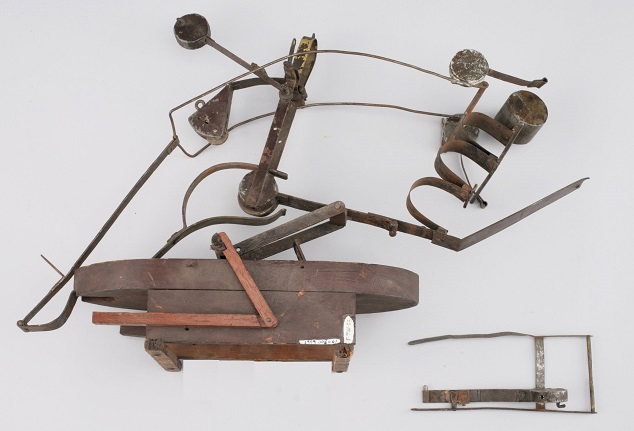
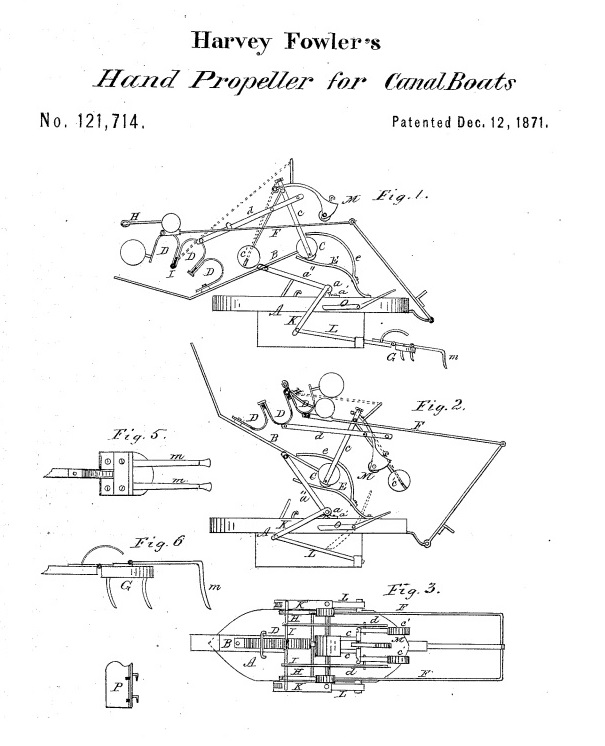
Fowler continued to think about the use of weights and levers to generate mechanical motion over the next decade. In May 1880 he took out a want ad in the Washington Post. “Perpetual motion machine now in operation…partner wanted,” it read. A curious reporter showed up at Fowler’s workshop, 633 F Street, N.W., to investigate, and his visit gives us an unusual portrait of the inventor. He “was evidently an old man, although a fresh, unwrinkled, almost boyish face gave him a youthful appearance, while the old-fashioned, broad-brimmed hat and the black clothes shining with age imparted a Quaker-like air of honesty and respectability. His voice, mild and gentle, confirmed these impressions and when he talked he fumbled in a tremulous fashion among the tools and scraps on his work table.” The advertised perpetual-motion machine was “a mass of jointed sticks running in all directions….Here and there is a wheel and then two pieces connected by rubber bands.” It was not working during the reporter’s visit. Fowler “briefly explained how it would work when it was right and the possibility seemed to give him as genuine satisfaction as if it was running smoothly at that very minute, and the applause of the world was already his.” Fowler’s inventing came to an end the next year when he was committed to the Government Hospital for the Insane. “His mind has become disordered,” the Post reported, “through his efforts to produce a perpetual motion machine.”
203-2 We have not been able to find a reference for this chisel shaped Barton tool, though it most closely resembles a Barton Tooth Plane Iron which was used in a toothing plane to scratch a series of fine, parallel grooves into wood surfaces. It is primarily used for roughening substrate wood before gluing veneer for better adhesion, and for leveling highly figured, curly, or cross-grained wood without tearing the fibers.
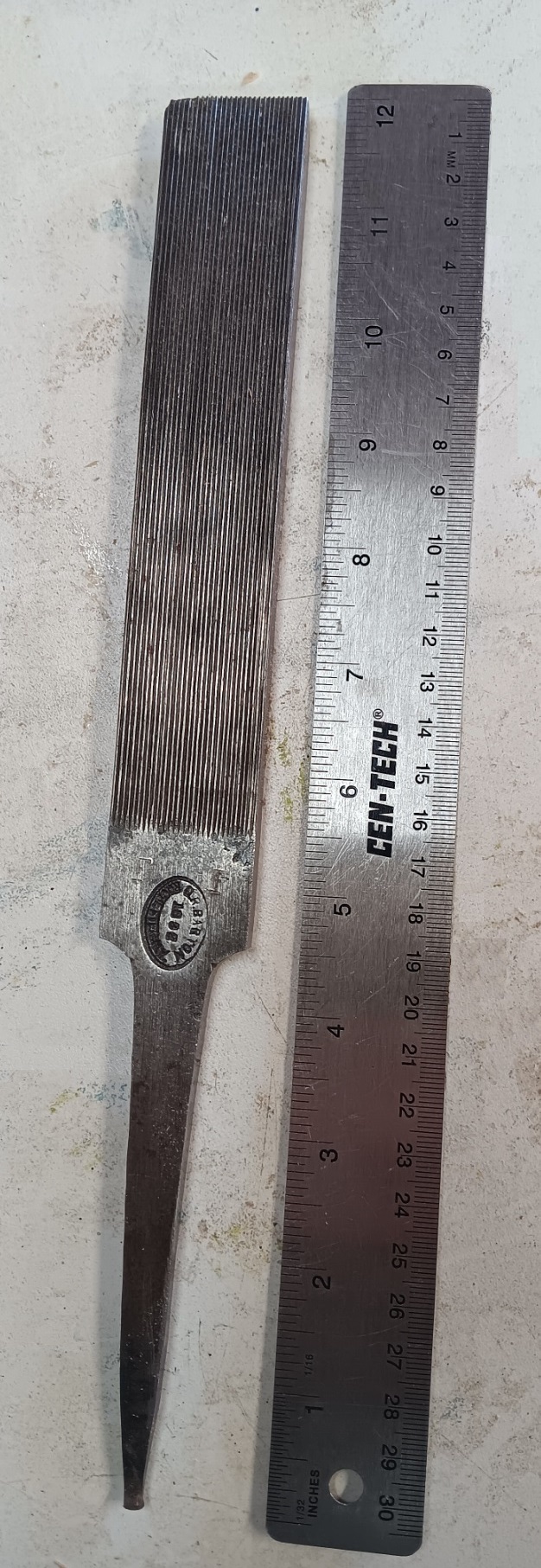
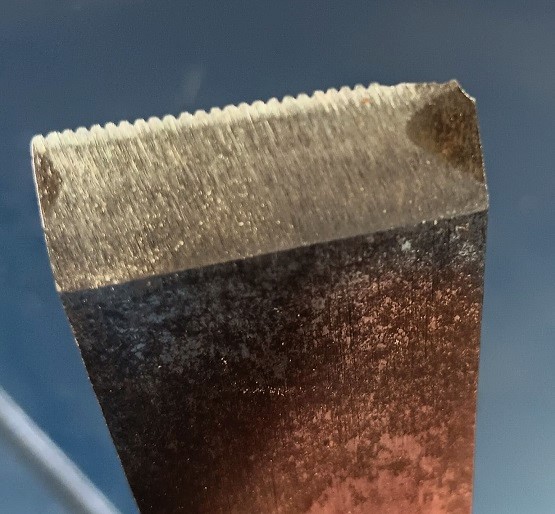
203-2a
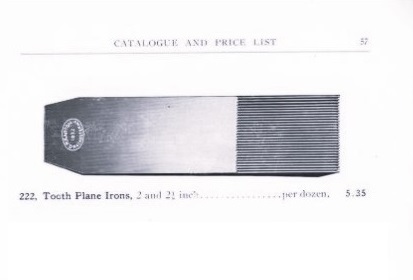
203-2b
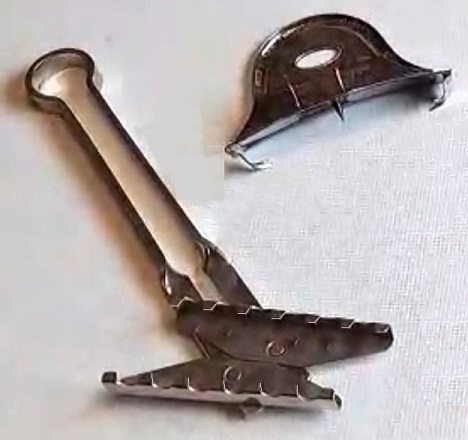
203-3 This device was used to hold a block of cheese while carving it. The photos below show it in both the open and closed positions.
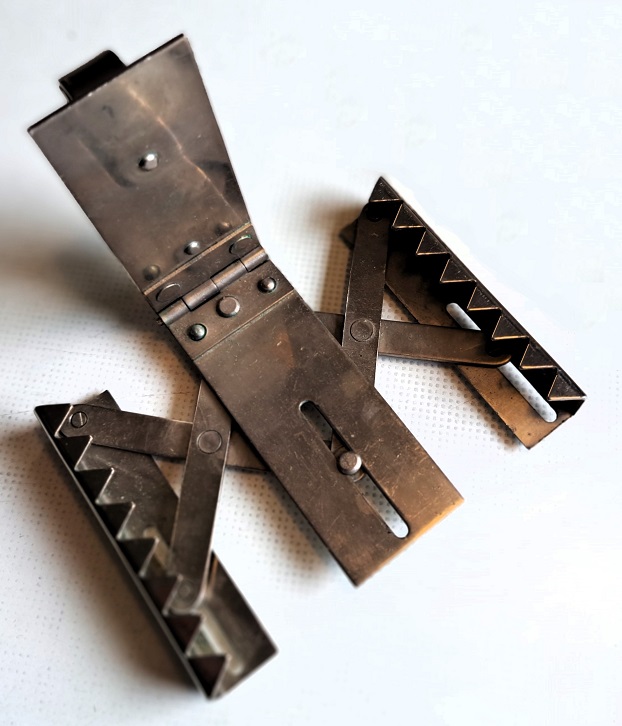
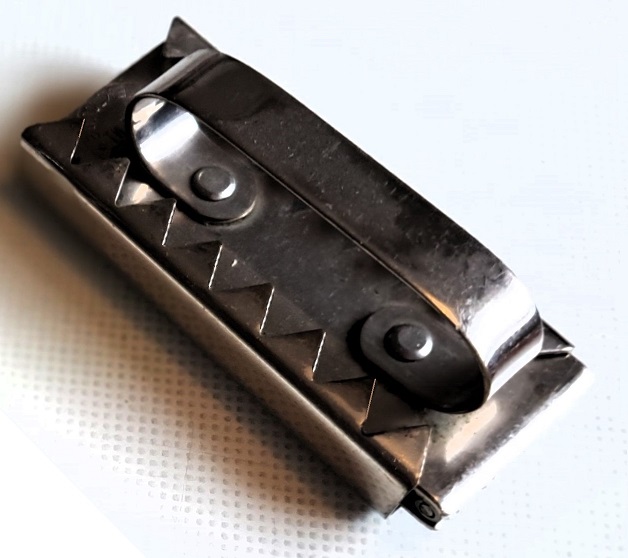
203-3a
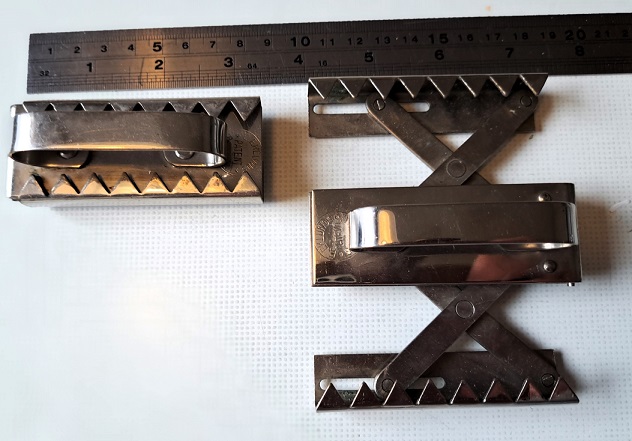
203-3b
More vintage cheese holders can be seen in these next three pictures:
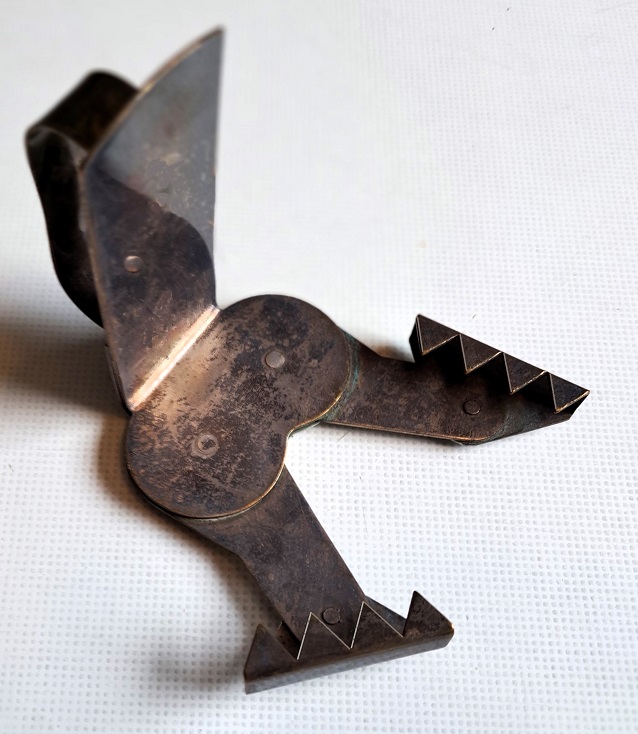
203-3c
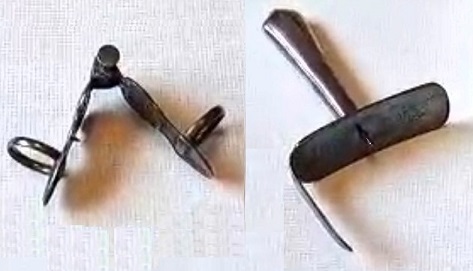
203-3d
203-3e
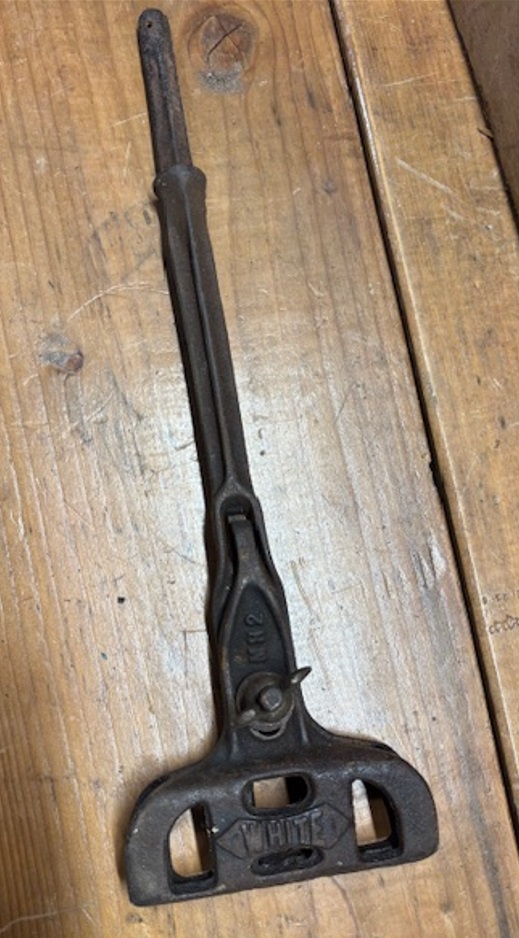
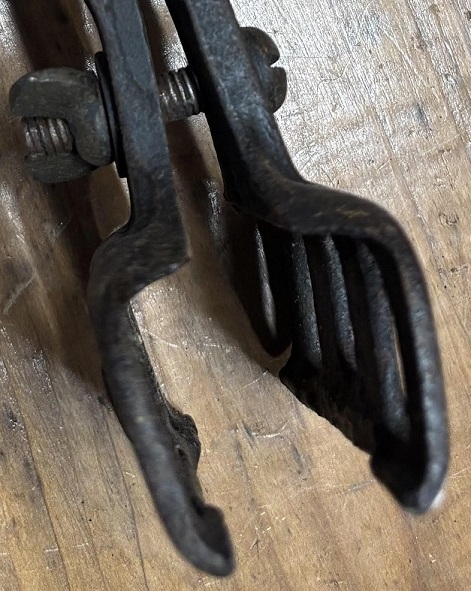
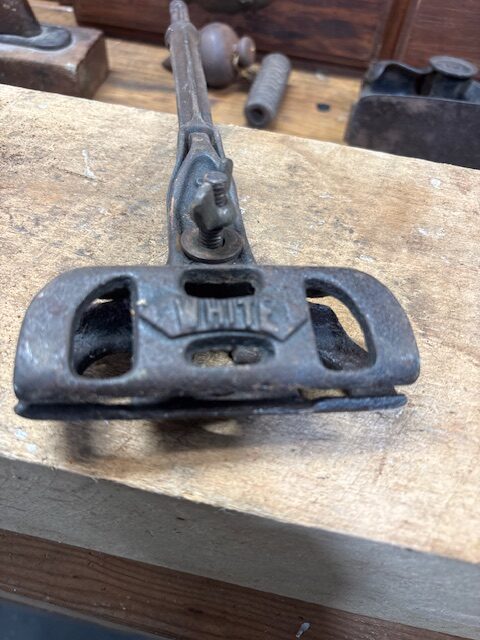
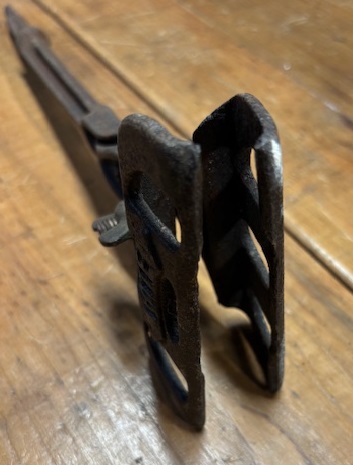
203-4 No answer yet for this item, it is 13″ long, and text on it says “White”. The most common guess for it is that it could be a clamp for holding a blade that was used as a scraper.
203-4b
203-4a
203-4c
What’s Its From the March 2026 Issue
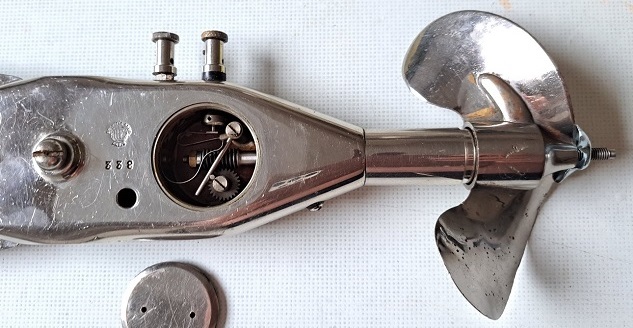
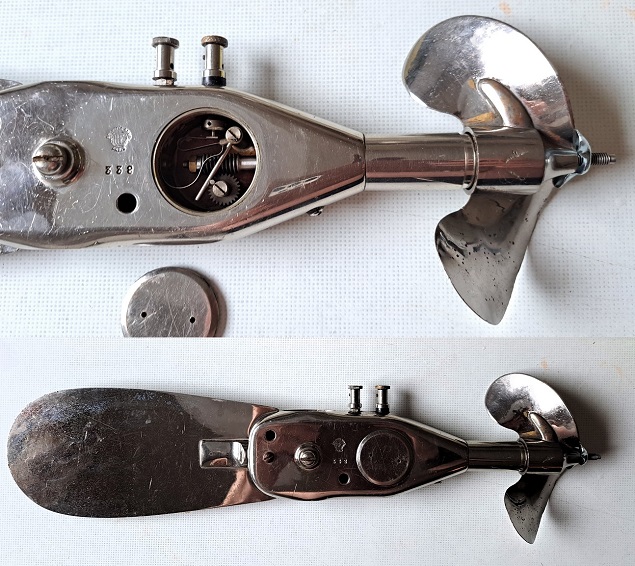
202-2 An ocean current speed meter
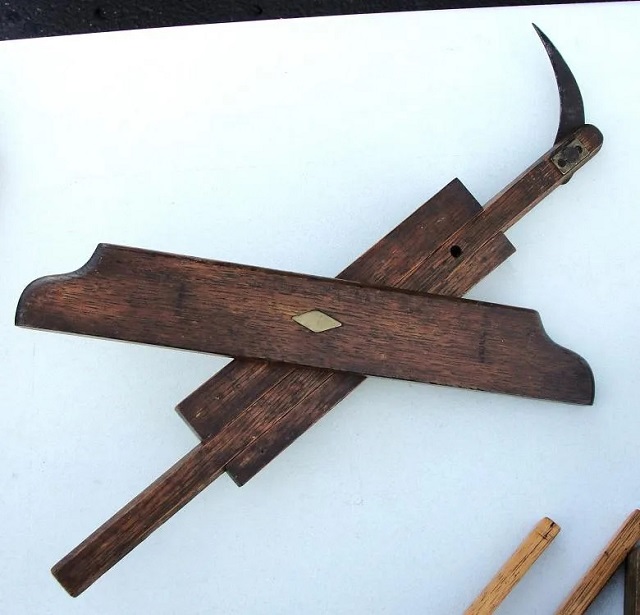
202-3 A scribe for use by a staircase maker
202-4 The mason who created this tool grew frustrated with wasting mortar while laying cinder blocks, as excess often dropped irretrievably into the hollow cores. To solve the problem, this device was designed to temporarily sit atop a block, mortar was then applied on top, next the tool was removed, and then another block set in place. The inventor crafted five or six similar versions, each with slight variations in design.
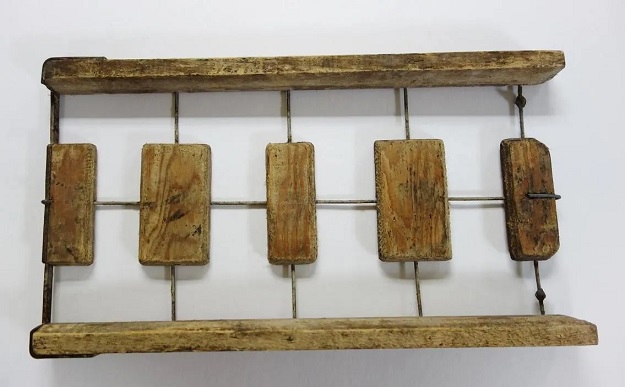
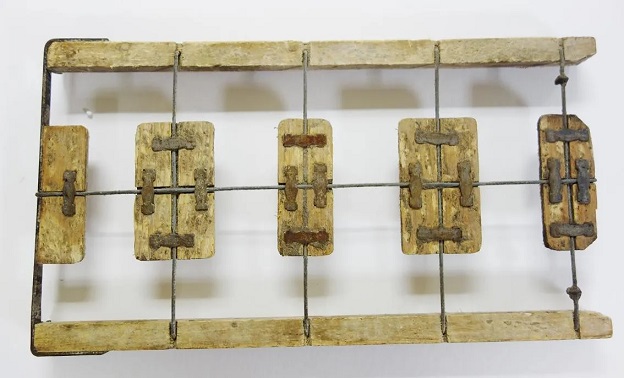
202-5 No verifiable answer yet for this bladed tool. As you can see, something appears to be broken off of the top. Suggestions for it so far are that it could be a fleshing knife, or a decoration to be hung on a wall.


202-5a

202-5b

202-5c
202-5


202-6a

202-6b

202-6c

202-6d

202-6e

202-6f
202-6
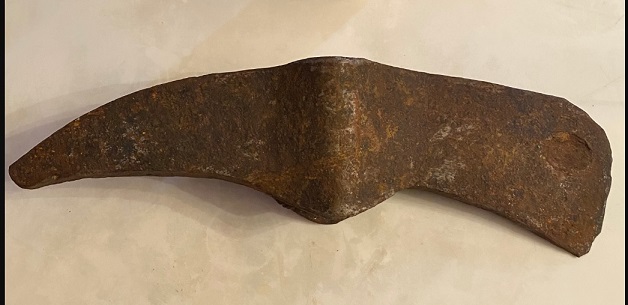
202-8 Someone sent in this axe head that they are trying to identify, please let us know if you can provide the answer. It was found in Iowa City over thirty years ago.